Robert Rodriguez and the Theory of Constraints: What a Filmmaker Understands About Throughput
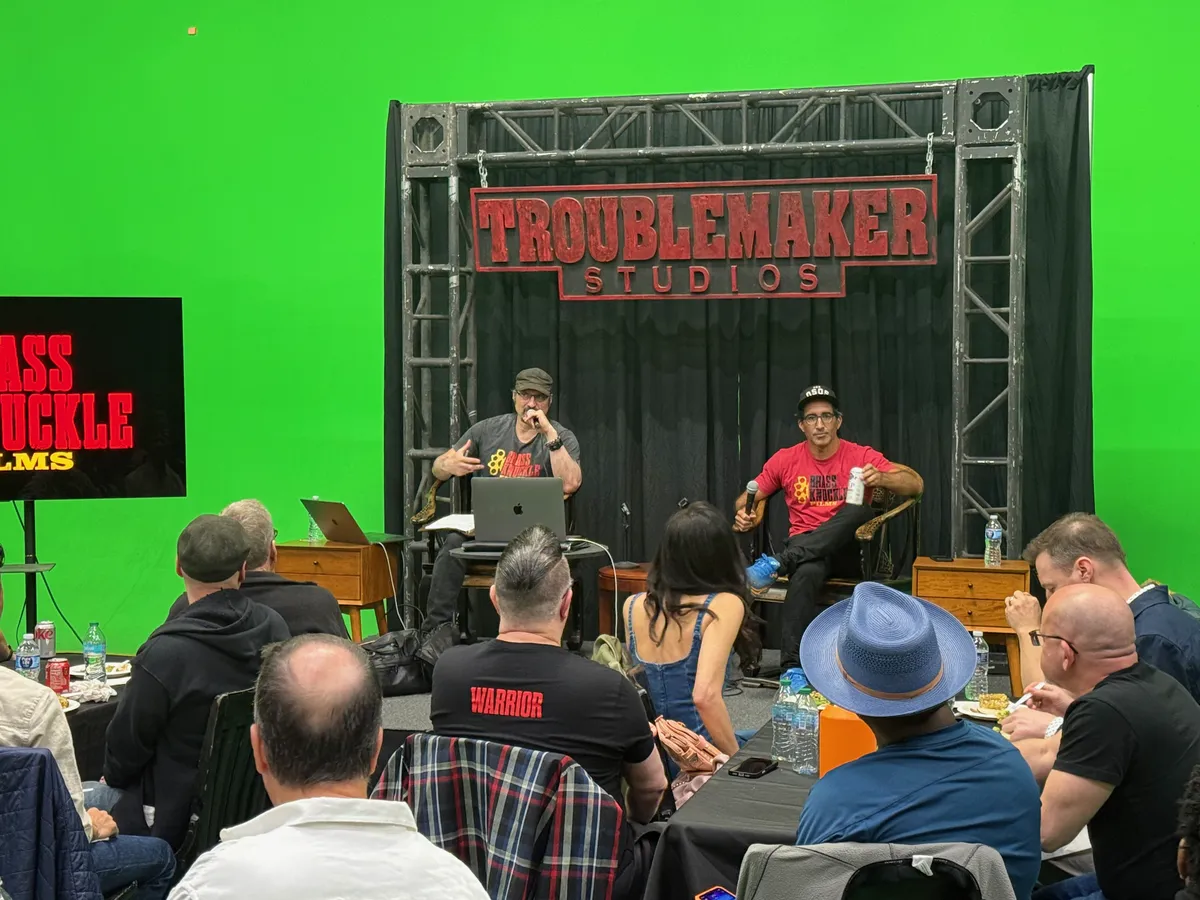
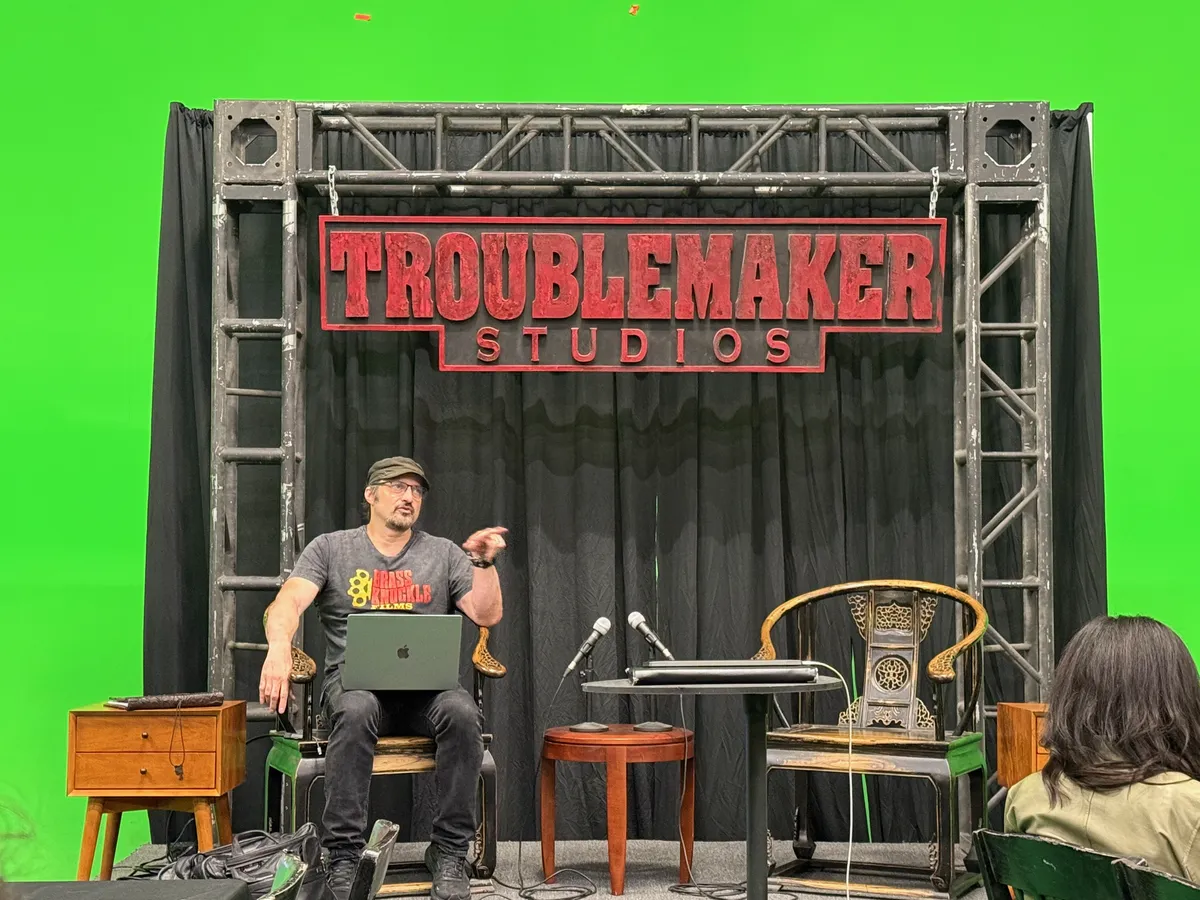
I recently toured Troublemaker Studios in Austin, Texas as an investor in Brass Knuckle Films, Robert Rodriguez's new action film label. Nick Ortiz from the Brass Knuckle team welcomed about 80 of us, and the whole group, investors and studio team alike, were genuinely warm and engaging. We got a full studio tour followed by a Filmmaker Insight Session where Rodriguez answered dozens of questions and discussed the Brass Knuckle Films slate with co-founder Alexis Garcia.
Rodriguez doesn't run his studio the way Hollywood runs studios. He thinks about throughput through the asset, the studio itself, the same way an operations person thinks about throughput through a production system. Not that he's borrowing from manufacturing but the underlying logic is the same.
The Constraint Hollywood Ignores
Hollywood spends a lot of money making movies. Studios greenlight projects, hire massive crews, and hope the box office covers the cost. The problem is that every department is focused on their own piece of the puzzle. Editors want more footage to work with. Marketing wants a bigger campaign. Everyone is optimizing their corner of the process, and nobody is asking whether the whole system is actually producing more output.
This is Goldratt's problem from The Goal. Every machine in the plant running at full capacity while the system falls apart. It looks efficient on paper, but throughput suffers because the constraint was never identified, let alone managed.
Rodriguez figured this out early. The real problem wasn't a lack of talent or ideas. Most films just cost too much to ever make the money back. So instead of playing by Hollywood's rules, he rebuilt the whole production process around that reality.
Throughput Through the Asset
When someone asked Rodriguez how he's accomplished so much, his answer was simple: spending time and money wisely. Every story he told had the same current running through it. He had limited resources, and through years of making short films and his first feature El Mariachi, he figured out the bare minimum needed to get what was needed.
He showed us a sequence from the From Dusk Till Dawn series starring DJ Cotrona (bear with me as I try to describe an incredible action scene). In the scene, Cotrona's character runs out of bullets, grabs a bandolier, but that along with the bullets it contained were shot out of his hand. He dives with the revolver open, catches the last falling bullet mid air, turns, shoots the villain, and hits the ground. It's a stunning, complex action sequence.
Rodriguez built it from three separate shots in less than 20 minutes.
Because he has been his own editor, sound designer, and VFX supervisor, he knew exactly how the pieces would come together in post production. VFX added the bullets falling. Sound design added the bullets hitting the ground and bouncing away, the last one dropping into the chamber, the gun locking, cocking, and firing. To sell the illusion that Cotrona was still airborne during the sequence, Rodriguez delayed the sound of him hitting the ground by a few seconds. In slow motion with a tight shot, you couldn't tell. He only revealed the trick by rewinding the raw footage for us.
Rodriguez planned the shot knowing how it would flow through every downstream process. Rodriguez is has been his own editor, sound designer, and VFX supervisor on many of his films, so when he hands something off to his team, he already knows exactly what they need. He even held up close ups of the bullets to the camera so the VFX team had clean reference material to work with. No one downstream is trying to figure out what the director meant because the director has done their job before and gave them everything they needed to do it well.
The Handoff Problem
Rodriguez drove this point home with another story. He talked about working with people he thought would be great directors, but the results were terrible. When he went in to try to salvage what he could, he discovered there were plenty of great individual shots. The footage was good. But in editing, things fell apart.
The editors weren't on set and they didn't see or hear what the director was trying to achieve.
This is the work in process problem applied to creative work. The information needed to assemble the final product was lost in the handoff between departments. In Goldratt's terms, the constraint wasn't the shooting, it was the transfer of knowledge between the person who captured the footage and the person who had to assemble it. Rodriguez eliminated that constraint by thinking about both instead of locally.
In The Goal, Goldratt argues that every unnecessary handoff is an opportunity for the system to break. Rodriguez learned the same lesson by watching good footage become bad movies.
Writing to the Constraint
Rodriguez's approach to scriptwriting follows the same logic. He writes scripts around the assets he already has. Locations, props, equipment, people and even music. This is the Rodriguez List from Rebel Without a Crew, an inventory of available resources that becomes the creative starting point.
In TOC terms, this is "exploit the constraint." Instead of trying to remove the budget limitation, he maximizes what can be produced within it. El Mariachi at $7,000 is the extreme case, but the philosophy scales. Brass Knuckle Films targets action films in the $10 to $30 million range using the same principle. Write to what resources they already have if possible, keep the costs controlled, and maximize throughput through the studio.
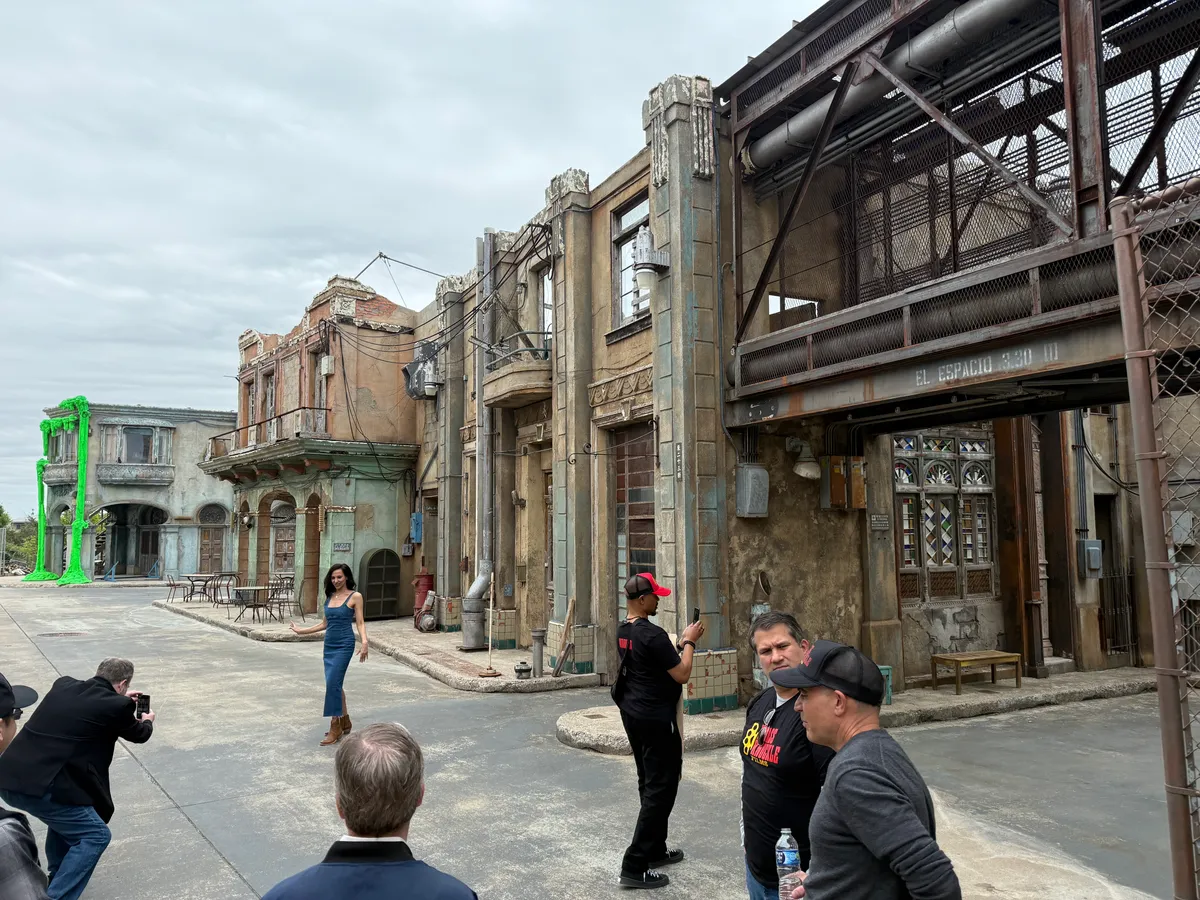
We toured the campus and saw the evidence everywhere. The largest green screen in Texas fills a massive portion of a warehouse. It's where most of Sin City was shot. The outdoor grounds still have the Iron City set piece from Alita: Battle Angel. Sound stages, VFX workstations, post production audio, all owned, all in house. Every one of those assets converts a variable cost into a fixed one. And the more productions Rodriguez pushes through them, the lower the effective cost per film.
What Finance People Miss
There's a lesson here for anyone in FP&A or operations. Rodriguez talked about how the traditional studio system pushes people to specialize in one thing. He had to prove he could edit before they would even let him edit the films he was directing. His team at Troublemaker wears multiple hats. This way they don't need 250 people who are all disconnected from the film they're making. And the crew loves it because they get to work on multiple aspects of production instead of being siloed into one role.
A traditional studio finance executive would look at that and see key person risk or unclear job descriptions. What they should see is eliminated handoff waste and a team that understands the whole system, not just their piece of it. They'd look at spare sound stage capacity and see underutilization. Rodriguez sees buffer, the same kind of buffer that Goldratt argues is essential for protecting the constraint.
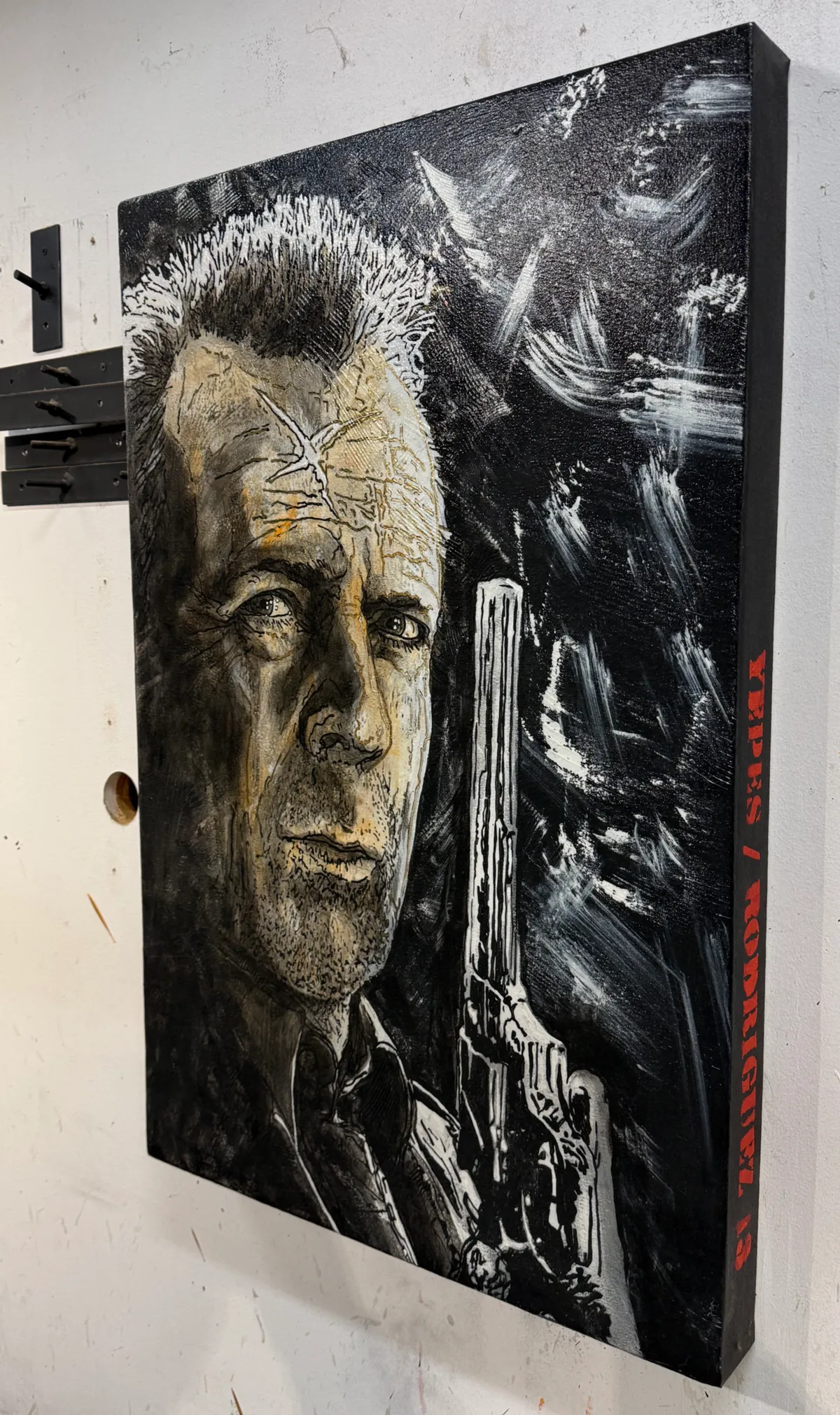
Rodriguez also talked about painting with Bruce Willis between shots on Sin City, keeping the creative energy flowing during downtime rather than letting it dissipate. There were similar paintings with Mickey Rourke, Rosario Dawson, Jessica Alba, Lady Gaga, and Josh Brolin. He's keeping the creative engine running between takes or perhaps maintaining flow across the system.
The question is always the same, whether you're running a plant or a studio. Does this decision increase throughput, or does it just look efficient on paper?
Rodriguez built Troublemaker Studios 25 years ago on the principle that constraints are creative advantages. His career shows what happens when you exploit the constraint instead of trying to buy your way out of it. Goldratt wrote about throughput through a plant and Rodriguez thinks about throughput through a studio. The operating logic is the same.